Chitta, adangal, A-register: which paper proves what
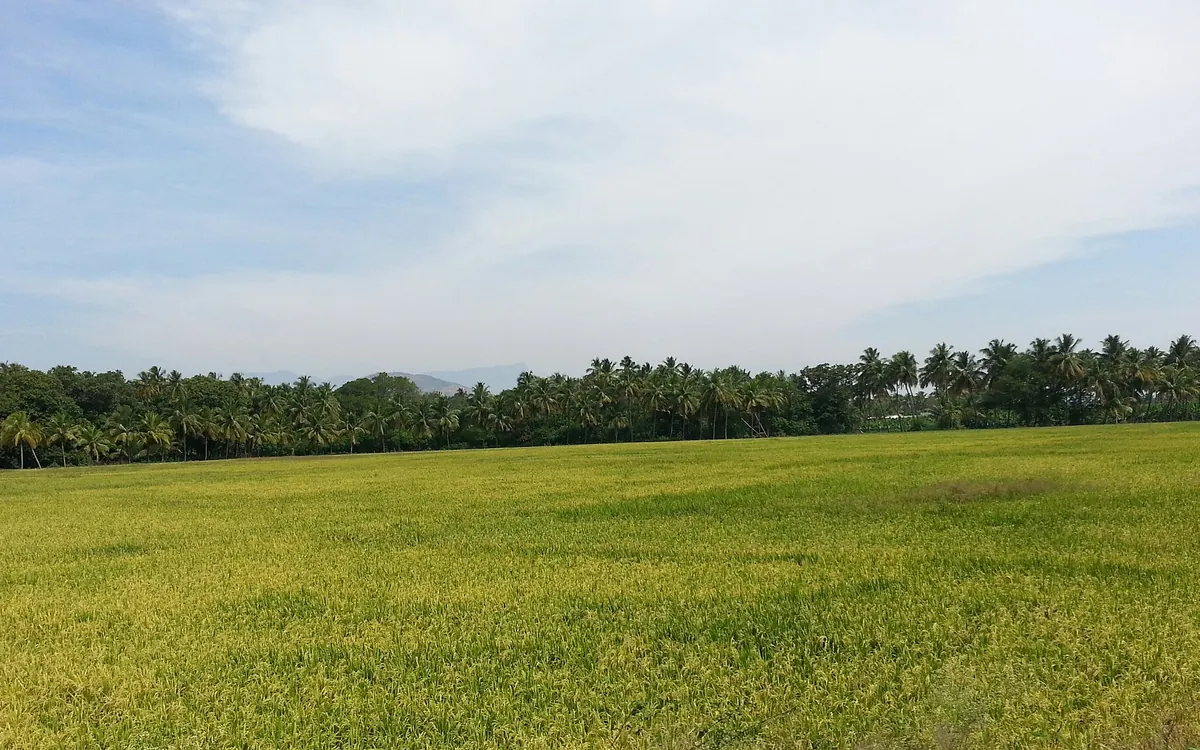
- Patta says who holds the land. Chitta gives its extent and class. Adangal is the village officer’s yearly record of crops and use. The A-register is the master register of every survey field in the village.
- The land class (nanjai, punjai, natham, poramboke) decides what you may do with it.
- Poramboke cannot be sold to you. Nanjai needs conversion before you build.
Revenue papers in Tamil Nadu have Tamil names that sellers use freely and buyers nod at. Five minutes with this page and you will know which one to ask for and what it can and cannot prove.
The papers, one by one
1Patta
The Revenue Department’s record of who holds a piece of land, with its survey numbers.
Do this: Proves holding, not title. Pull it online; see the patta chitta guide.
2Chitta
The land register entry for a patta: extent, land class (nanjai or punjai) and the tax assessment. Since 2015 patta and chitta come as one combined extract online.
Do this: Use it to confirm the area and the class before you plan anything.
3Adangal
The village administrative officer’s yearly register: what was grown on each field, the water source, who cultivated it, whether it was left fallow.
Do this: Useful for farmland. It shows whether the land is actually cultivated and by whom. A long-time cultivator who is not the owner can be a tenancy problem.
4A-register
The village’s master register of every survey field: its extent, class, assessment and the original holder when the survey was settled.
Do this: Ask for the A-register extract when the chitta and the deed disagree. It is the oldest Revenue record for the field.
5TSLR extract
Town Survey Land Register. The equivalent record for land inside a town or city, where survey fields were re-numbered as town survey numbers.
Do this: For a house or plot in a city, ask for the TSLR extract instead of the chitta.
6FMB
The sketch of the survey field with its measurements.
Do this: See the survey number and FMB guide.
The land classes and what they allow
1Nanjai (wet land)
Irrigated land, usually paddy, fed by a tank, channel or river.
Do this: Converting wet land to house sites needs the Collector’s concurrence and is getting harder. Do not buy nanjai to build on unless conversion is already done.
2Punjai (dry land)
Rain-fed land, often groundnut, millets or orchards.
Do this: The usual starting point for a layout. Still needs conversion and planning approval before plots can be registered.
3Natham
Village house-site land, the settled part of the village.
Do this: Houses are normally allowed. Check the natham patta is in the seller’s name.
4Poramboke
Government land set aside for a purpose: road, tank, channel, grazing, burial ground.
Do this: Cannot be sold. A plot described as poramboke, or lying on tank or channel land in the FMB, is not for sale, whatever the seller says.
5Manavari and other classes
Older or local classes for rain-fed and mixed land appear in some districts.
Do this: Ask the village officer what the class means for building. Rules vary by district.
Can you build a house on it?
The chitta says punjai. The plot is in a layout approved by DTCP.
Not quite. Yes, once you have checked the approval on the DTCP site and the plot number is in the approved plan. Dry land that has been converted and approved is the normal house plot.
The chitta says nanjai. The seller says the layout approval is in progress.
Not quite. No, not yet. Wet land needs the Collector’s concurrence for conversion before any layout is approved. Buy when the approval exists, not when it is promised.
The FMB shows a channel running along the side of the plot, and the deed includes that strip.
Not quite. No. A channel is poramboke, government land. The strip cannot be sold and anything built on it can be removed.
The land is natham and the natham patta is in the seller’s name.
Not quite. Usually yes. Village house-site land is meant for houses. Still check the local body’s building rules and the access road.
The adangal shows a different family has cultivated the land for the last ten years.
Not quite. Not before you understand why. A long-term cultivator may claim tenancy rights. Ask the seller for the arrangement in writing and for the cultivator to confirm they are leaving.
Looking for a plot?
Opens the live page with what people there are looking for right now.
Agents who name the land class
On NearbyAcres you can ask whether a plot is punjai or nanjai before you waste a Sunday on it.
- Agents with the Verified mark were checked by our team.
- Every listing is reviewed before it goes public.
- You talk in the app first. Your number stays hidden until you agree.
Keep reading
Thanks for telling us. We will make this guide clearer.